 01
01
Descend
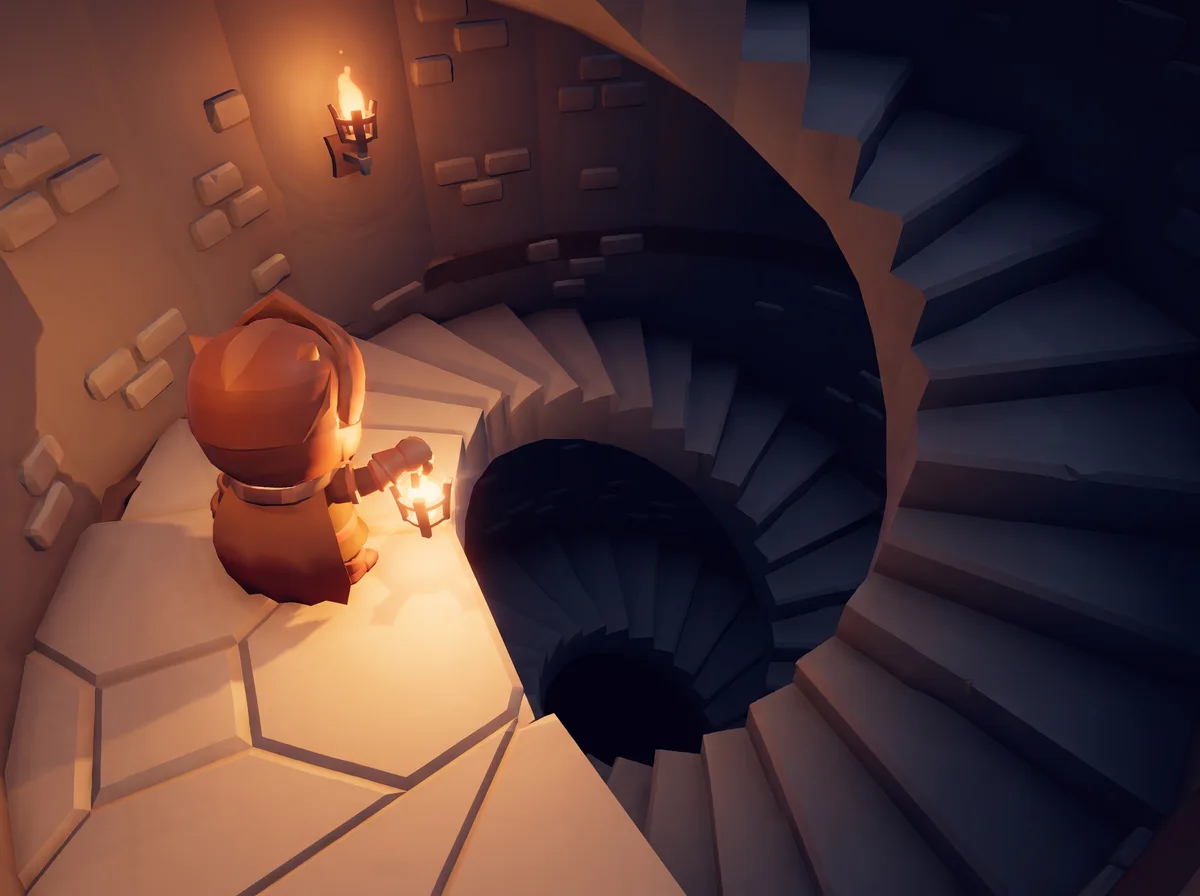
Depth is the difficulty dial.
Cellars, then Ossuary, then Vaults. Deeper means richer loot, nastier skeletons and fewer ways out. Nothing abstracts that into a number. The danger is just how far down you went.
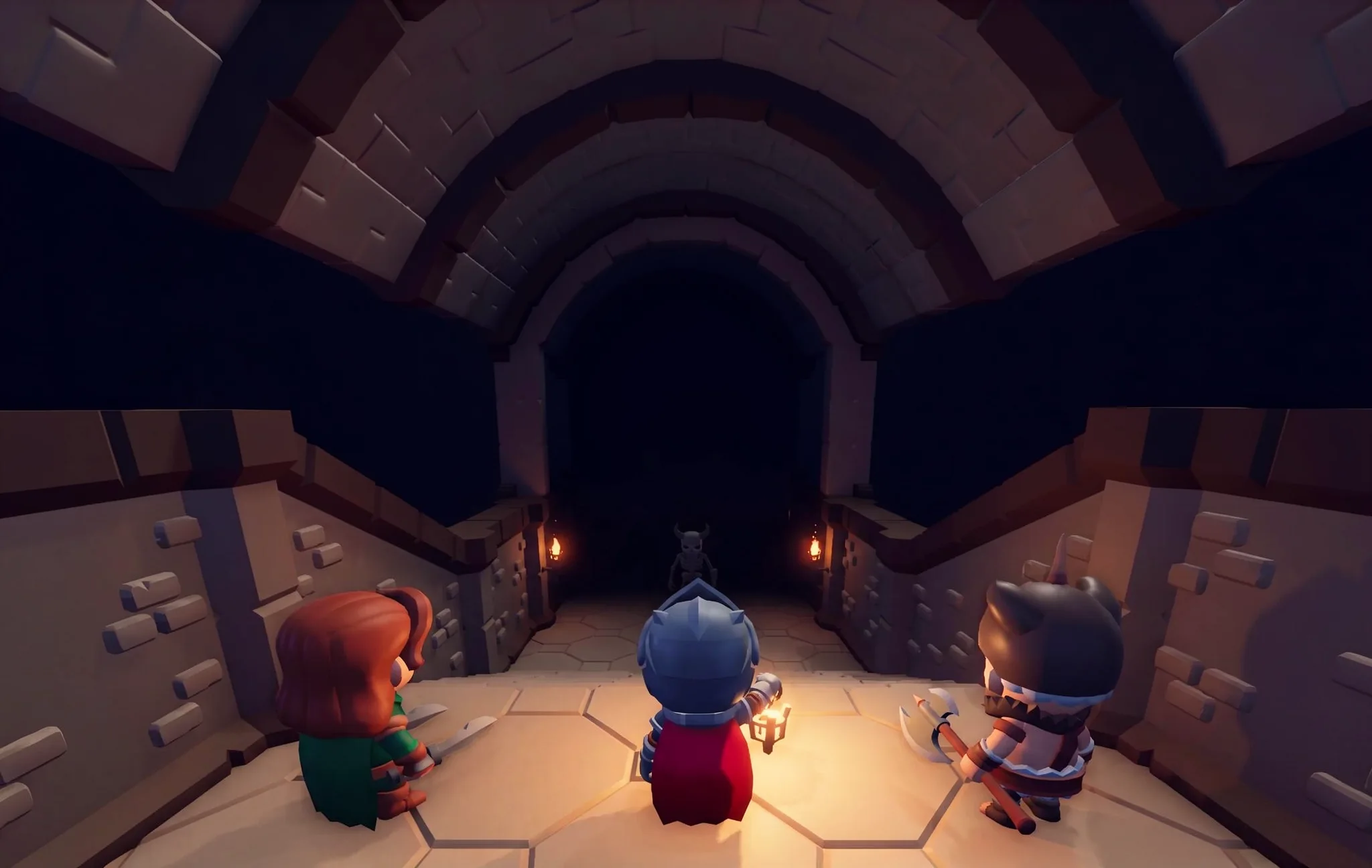
A melee extraction crawler. The exits are upstairs, the loot is downstairs, and every fight you win tells three other people exactly where you are.
The candle you carry down burns whether you’re winning or not.
Three strata, each physically below the last. There is no difficulty selector. There is only how far down you are willing to walk.
01
Depth is the difficulty dial.
Cellars, then Ossuary, then Vaults. Deeper means richer loot, nastier skeletons and fewer ways out. Nothing abstracts that into a number. The danger is just how far down you went.
 02
02
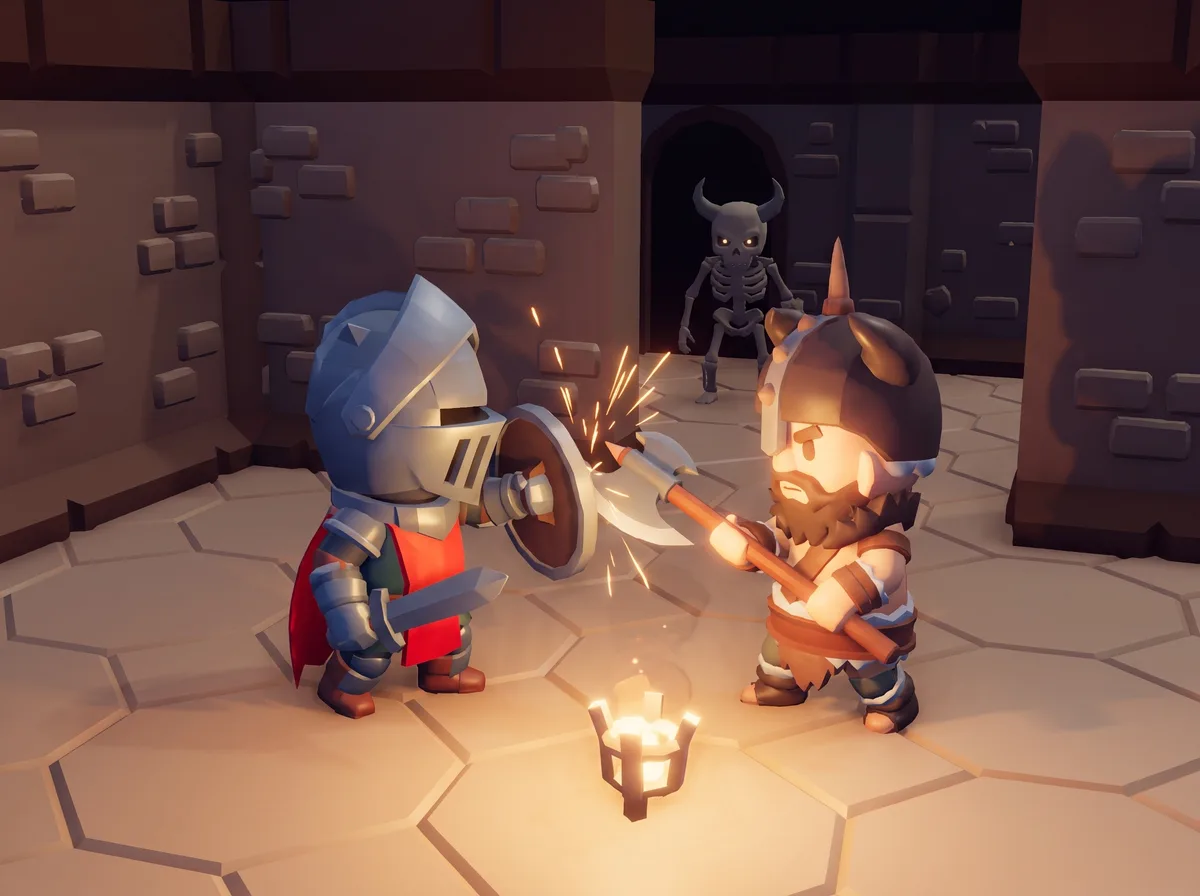
Melee is a conversation, not a DPS race.
Directional swings, stamina, weapon weight, parry into stagger. A duel runs fifteen to thirty seconds, long enough for someone else to hear it, work out where you are, and arrive while you’re still busy.
 03
03
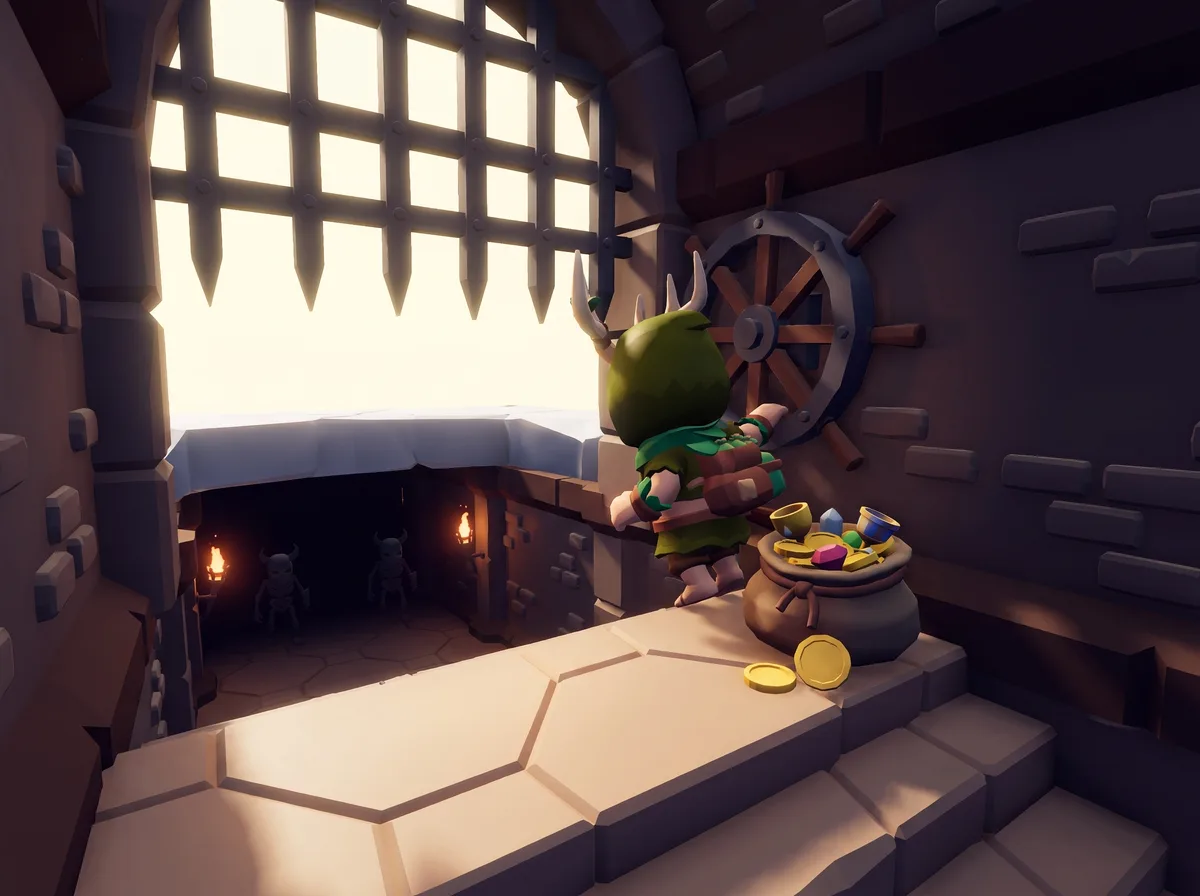
The way out is the loudest thing you’ll do.
Cranking the portcullis takes ten seconds. It is audible and it is visible, and you do it holding everything you came for. Die on the way and you lose all of it but your one insured slot.
Each floor sits physically below the last and reads differently the moment you arrive: damp brown, then bone white, then gold. You always know how deep you are, because you can see it.
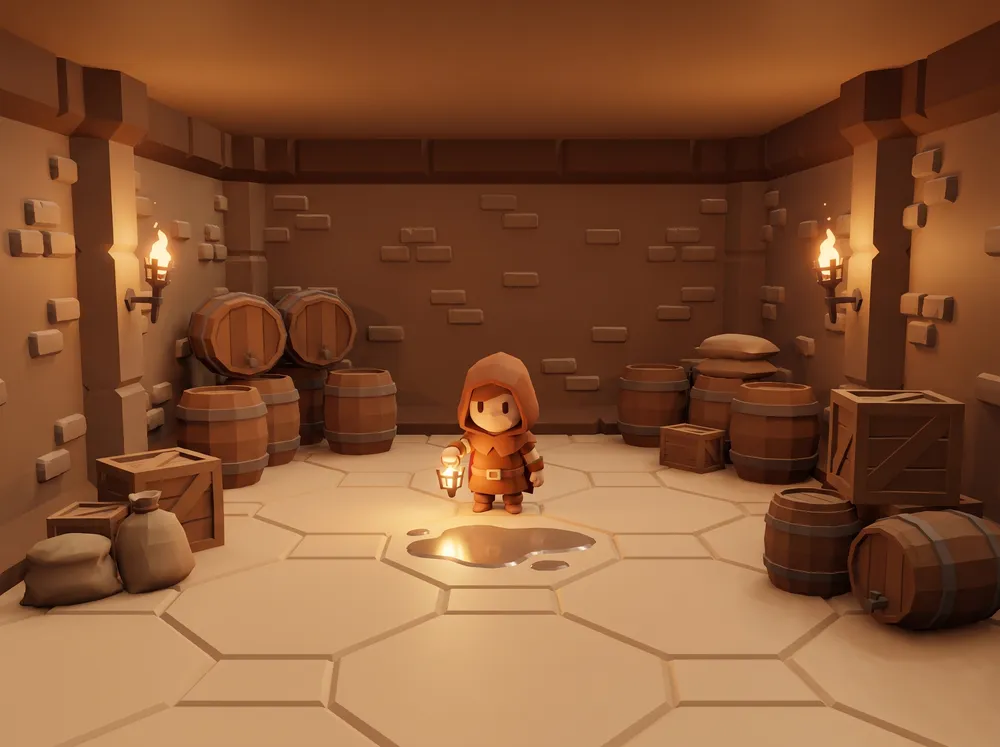
Damp store-rooms under the Sconce. Thin pickings, thin danger — where every delver starts.
A bad decision here costs you time. It does not cost you everything you own.
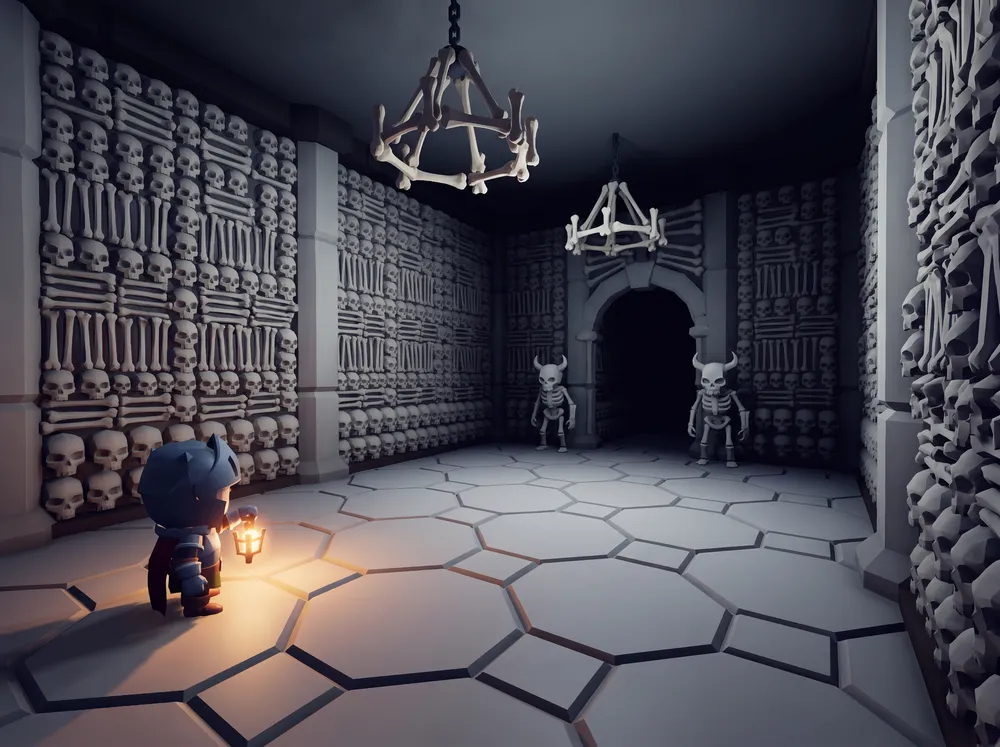
Stacked bone and bleached stone. The dead are keener here, and the chests are worth opening.
A contract drops you straight in, skipping the Cellars, and the practice floor with them.
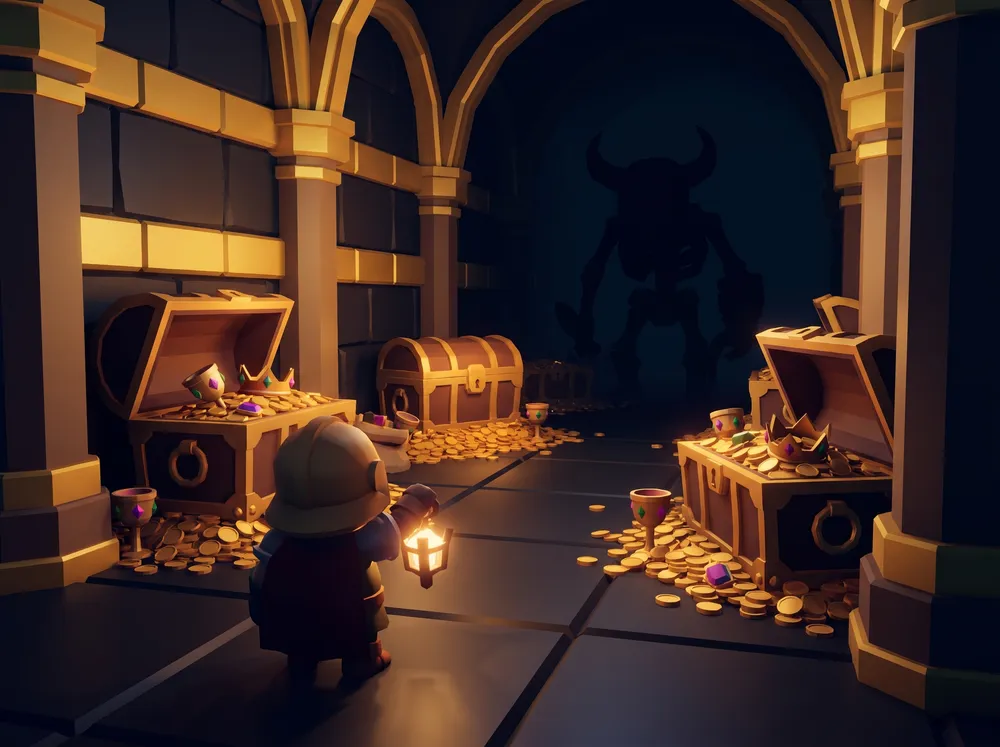
Gilded and sealed, the deepest floor. Everything down here is worth taking, if you can carry it out.
Five hundred Wax to walk in, and the way out is still the loudest thing you will do all run.
The shape never changes, only the odds. Every floor is an entrance, six to ten rooms of approach, the Bone Warden’s vault room, a short egress, and one of two stairwells out. Every route to every exit crosses the Warden. Its chest always holds something rare, and it stays shut while the Warden is alive.
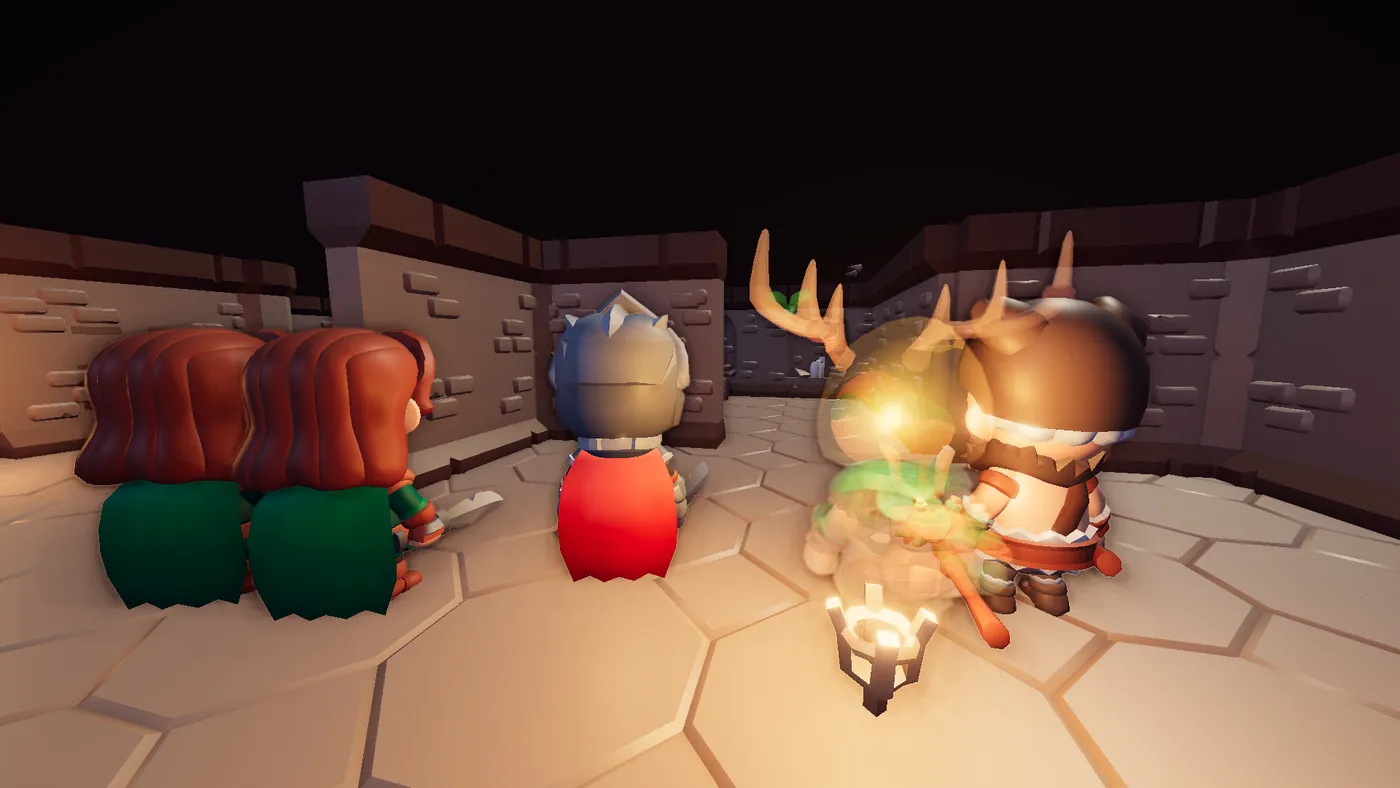
Every piece of information about another player reaches you through the world, never through the interface. That is the whole game, and it is why the HUD refuses to help you:
Every one of these is checked against real line of sight, not raw distance. A wall between you and the noise stops it. The radii are the server’s own constants, and the skeletons already act on them: hit something loudly and everything within twelve metres that can hear it comes to look.
Fifteen to thirty seconds, which is long enough for somebody else to hear it, work out where you are and arrive while you are still busy. That is not a pacing accident. It is the mechanism the whole game runs on.
Cheap and quick. You will land three of these while a great axe is still winding up, and still be behind on damage. Dagger
| Armour | Physical | Magic | Poise | Speed | Worn by | On a hit |
|---|---|---|---|---|---|---|
| Cloth | 0% | 30% | 10 | ×1.0 | Rogue, Druid | Staggered |
| Leather | 10% | 20% | 45 | ×0.95 | Nobody | Holds |
| 20% | 10% | 70 | ×0.88 | Barbarian | Holds | |
| Plate | 30% | 0% | 100 | ×0.8 | Knight | Holds |
The even trade. Nothing about it is a problem, which is exactly what makes it the hardest one to beat. Arming sword, hand axe, thornstaff
| Armour | Physical | Magic | Poise | Speed | Worn by | On a hit |
|---|---|---|---|---|---|---|
| Cloth | 0% | 30% | 10 | ×1.0 | Rogue, Druid | Staggered |
| Leather | 10% | 20% | 45 | ×0.95 | Nobody | Holds |
| 20% | 10% | 70 | ×0.88 | Barbarian | Holds | |
| Plate | 30% | 0% | 100 | ×0.8 | Knight | Holds |
Two hits and most people are dead. A full second of windup is a long time to be wrong about where somebody is going to stand. Greatsword, great axe
| Armour | Physical | Magic | Poise | Speed | Worn by | On a hit |
|---|---|---|---|---|---|---|
| Cloth | 0% | 30% | 10 | ×1.0 | Rogue, Druid | Staggered |
| Leather | 10% | 20% | 45 | ×0.95 | Nobody | Staggered |
| 20% | 10% | 70 | ×0.88 | Barbarian | Holds | |
| Plate | 30% | 0% | 100 | ×0.8 | Knight | Holds |
Free if you get it right, fifteen stamina if you do not. Land one and you have a one-second window to riposte at one and a half times damage.
Up to that point you can still steer the swing. After it, you are swinging where you decided to swing. A feint buys the cancel back for eight stamina.
Sprinting drains ten stamina a second from a hundred, and refills at fifteen. Dodging costs twenty, with invulnerability from 15% to 65% of the roll.
Stagger lands when a weapon’s impact beats the defender’s poise. The heaviest swing in the game is 70. Plate is 100. A great axe cannot even stagger mail.
Every landed hit is heard twelve metres away, through walls it has line of sight around. Win a fight and you have told the floor exactly which room you are standing in. The fastest way to lose everything is to win something loudly.
The skeletons are not the point. What they do to your noise floor is. Every one you fight is a flare telling the rest of the floor where you are standing.
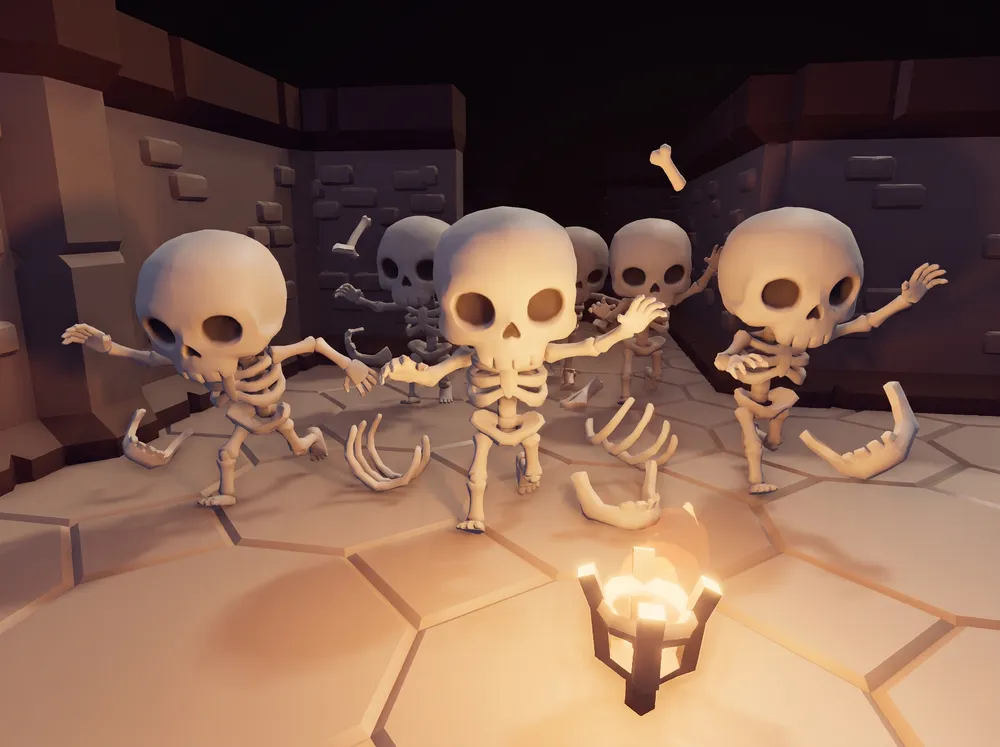
Cheap to fight. Expensive to fight quietly.
They move faster than you walk and slower than you sprint, so running is a real option and standing your ground is a choice you made. Killing a pack is trivial. Doing it quietly is not: one aggros and the whole room aggros with it.
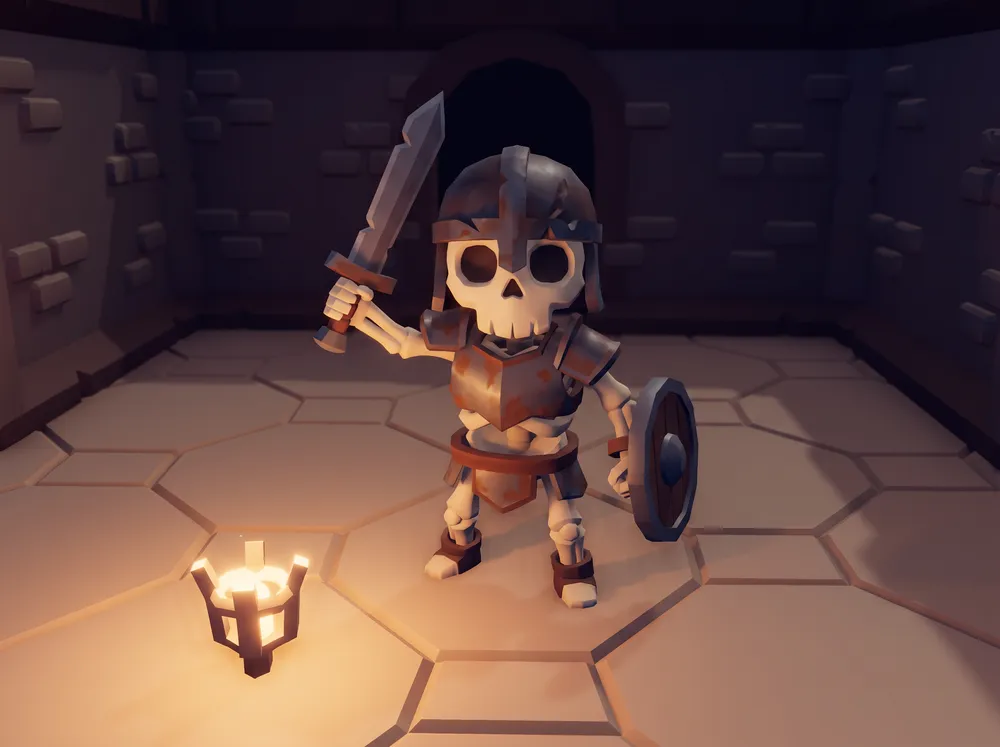
The same hundred health you have, and the same parry.
Directional swings, stamina, parry into stagger. A Bonewright fights with the exact grammar a player does, and turns aside two hits in five. Beating one is practice for beating a person, which is the entire point of them.
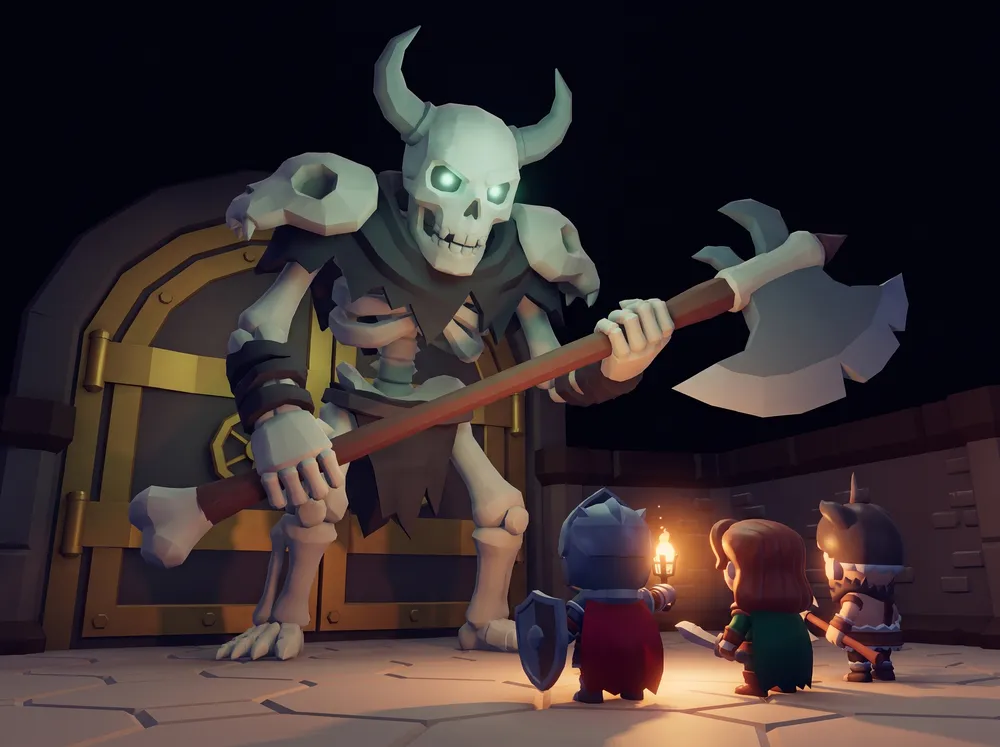
Five hundred health, plate, and a great axe. One per floor, and you are not meant to solo it.
It sits on the vault chest, and the chest stays shut while it lives. You do not have to kill it, but every route to every exit crosses its room, so you do have to decide. It walks slower than you do, which is the only mercy in the design.
Nothing here ever fully forgets you. Losing a monster puts it into an eight-second search, not a reset, and running away relocates the problem onto whoever you run toward. Roughly two corridors in five hold a patrol that was never standing still to begin with, and the rooms nearest the entrance hold none at all, because being killed in the first ten seconds teaches nobody anything.
No nameplate is going to tell you what is walking toward you. A shield and a heavy stance mean one thing; a hood and a pair of daggers mean another.
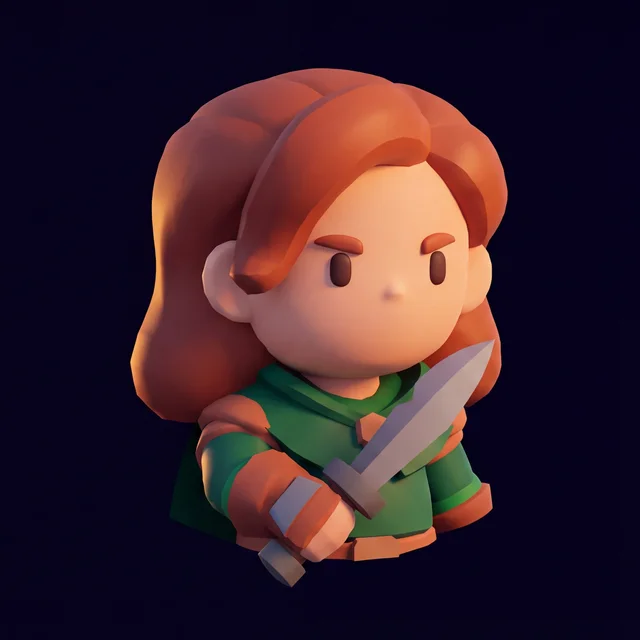
Fast, fragile, and the only one who can turn the noise off.
Stops you making noise for 4 seconds.
Free45sSelf
16 damage, and no cooldown at all. Energy is the only thing pacing you.
30 energyNo cooldown3 m
34 damage.
55 energy10s3 m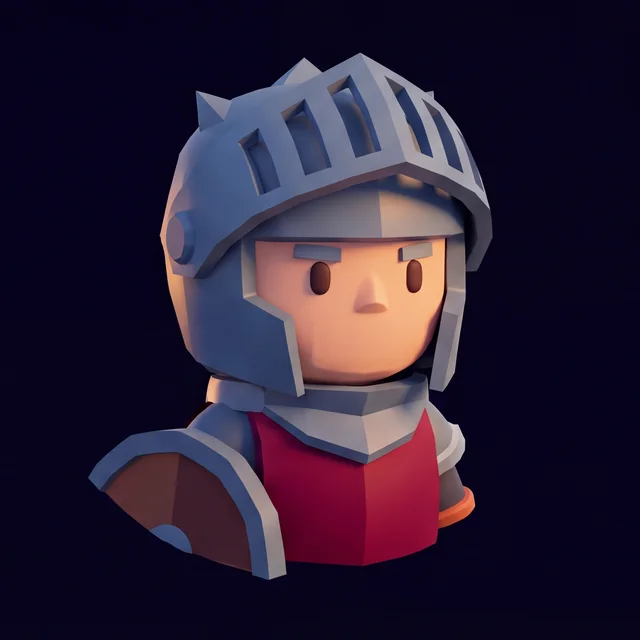
The only class that can make a monster choose you.

Cannot be staggered for 3 seconds.
Free45sSelf
18 damage, and the most threat per point of damage in the game.
20 rage6s3 m
Forces a monster onto you. The only thing that overrides the threat table.
10 rage15s12 m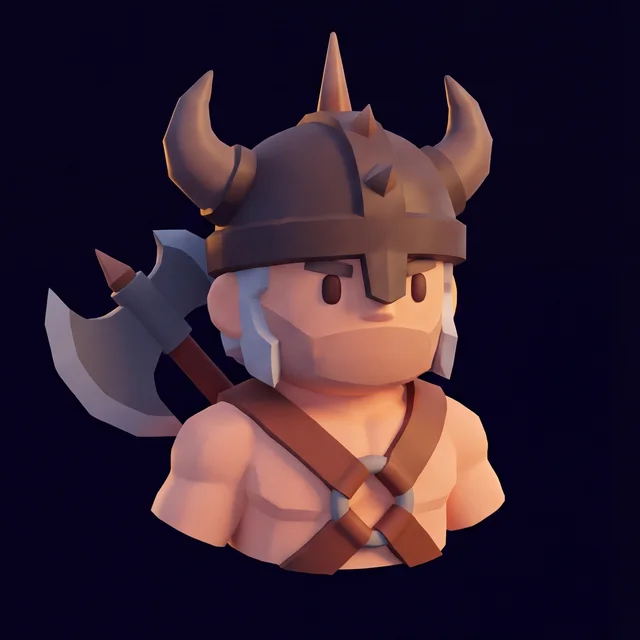
Hits harder than anything else alive, and pays for it in speed.
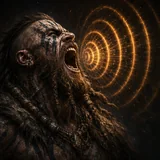
Fear pulse, 5 m across, 2.5 seconds.
Free45sSelf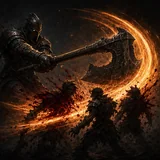
14 damage to everything within 3.5 m. No cooldown.
25 rageNo cooldown3.5 m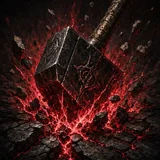
46 damage, the biggest single hit any class has.
45 rage12s3 m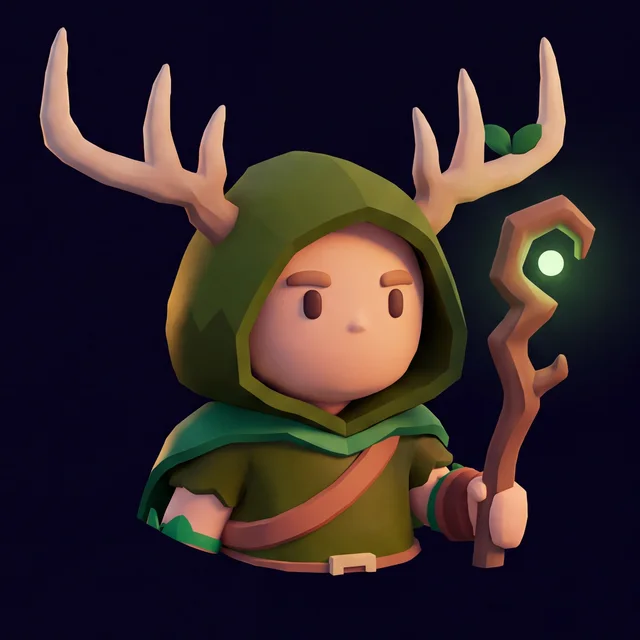
The only magic in the game, and the only ability you have to stand still for.

Heals 40, and the only cast in the game. 1.5 seconds rooted, and moving or taking a hit cancels it.
25 manaNo cooldown5 m
Heals 28, instantly.
45 mana12s5 m
Roots a target for 3 seconds.
20 mana18s15 m
20 damage, and the only magic damage in the game. Plate turns aside none of it.
15 manaNo cooldown18 mEvery class carries the same 100 health and the same 100 stamina at +15 a second. The differences are what you swing, what you wear and what you spend, not a bigger health bar. Slot four is the same on all four: a Trinket that clears whatever is holding you, on a two-minute cooldown, and the only ability in the game that ignores the 1.25-second global cooldown.
Seventeen abilities and a talent tree fifty-six nodes wide, spent permanently until you pay to respec.
Loot is money and nothing else. A rusty sword and a jewelled one swing the same. What actually separates a level 25 delver from a fresh one is what they chose to learn, and what they gave up to learn it.
The spread is capped on purpose. A built character is measurably stronger, but never so far ahead that reading a room badly stops costing you the run.
Cannot be staggered for 3 seconds.
14 damage to everything within 3.5 m.
Roots a target where it stands for 3 seconds.
34 damage.
Heals 40, on the only 1.5-second cast in the game. Moving or taking a hit cancels it.
20 damage, and the only magic damage in the game. Plate turns aside none of it.
46 damage. The biggest single hit any class has.
A consumable. 35 health over 5 seconds, three charges to a stack.
18 damage, and the most threat per point of damage in the game.
16 damage, and no cooldown at all. Energy is the only thing pacing you.
Heals 28, instantly.
Forces a monster onto you. The only thing in the game that overrides the threat table.
A consumable. Restores 50 resource instantly, three charges to a stack.
Clears whatever is holding you. The only ability that ignores the 1.25-second global cooldown.
Stops you making noise for 4 seconds.
A fear pulse 5 m across, lasting 2.5 seconds.
A consumable. +15% weapon damage for 8 seconds, three charges to a stack.


No shrinking circle, no forced-fight zone, no stairwell slamming behind you. One floor, one fifteen-minute deadline, and from minute six every heal your druid lands is worth less than the last one.
Full effect. A heal is worth what it says.
A fly-through walks the route from the entrance to an exit, so nobody is lost on a floor they have never seen. It shows the route and nothing else: no loot, no monsters, no chest that somebody already opened. Any key skips it.
Bleeding out takes twenty seconds, and a squadmate needs four uninterrupted ones to bring you back at 40% health. If nobody alive can physically reach you, it resolves immediately rather than making you watch.
Cranking the portcullis is ten seconds alone, five with three of you on it, and it is the loudest thing in the game. Eighteen metres of dungeon hears it while you stand still holding everything you came for.
Fifteen minutes is per floor, not per session. Go deeper and it starts again, which is why a full sitting runs closer to twenty minutes than fifteen.
Every frame below is a real capture of the running build, not key art.
Everything the dungeon does with darkness and distance, the Arena refuses. One lit room — drawn from four, each a different shape of fight — and every combatant visible to every other from the first second.
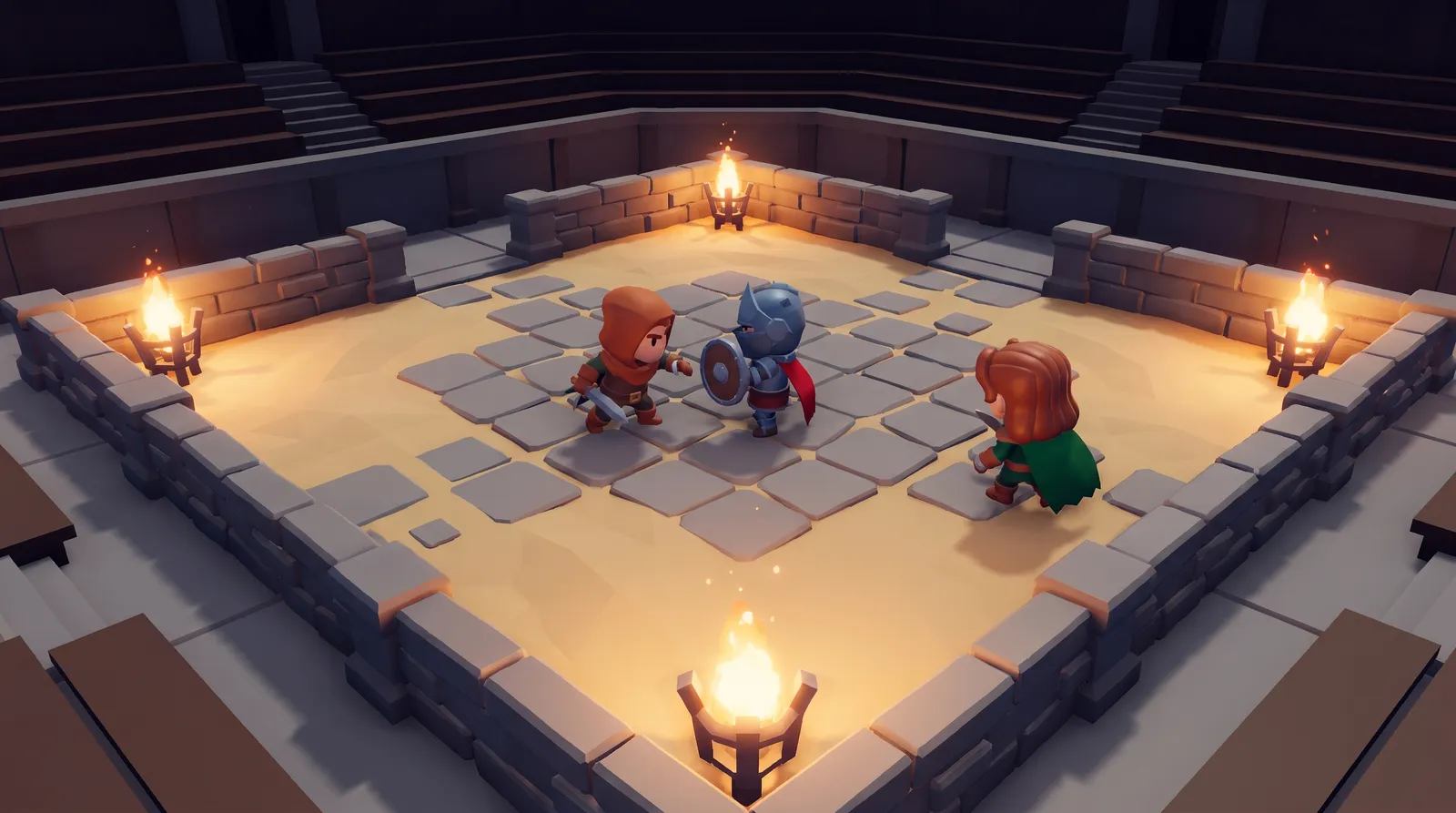
Queue solo, duo or trio and the round fills to six: six lone gladiators, three pairs, or two trios. Bots take any seat the queue can’t, so a walkover is structurally impossible.
What carries over is the only thing that ever mattered: whether you can read a swing. Nothing you brought will save you, and nothing you lose here was yours.
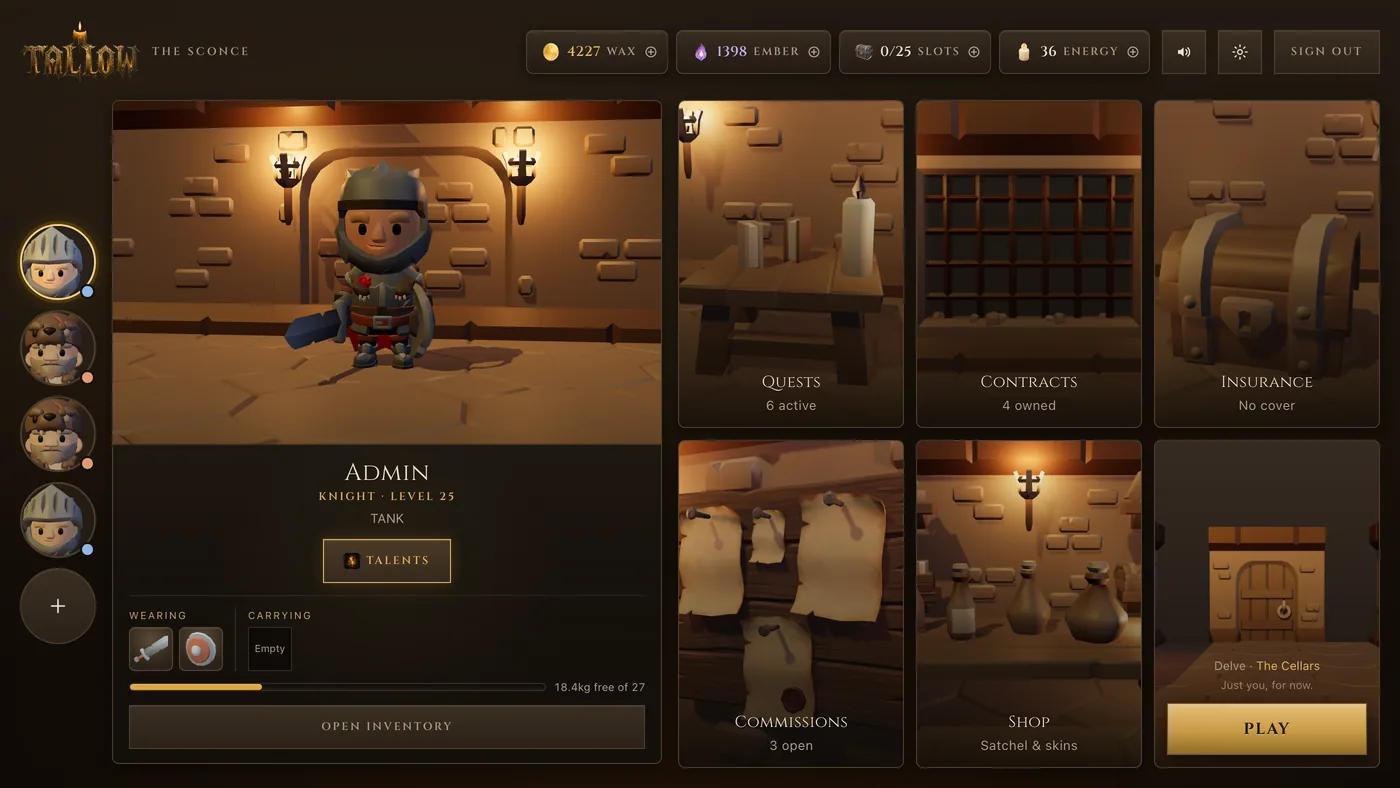
A small shared room where delvers stand around between descents. Bank what you carried out, buy the insurance capacity that decides how much of the next disaster you survive, take a contract that drops you straight into the Ossuary with no early-game safety net, hand over the curios the three people on the commission board are asking for today, and spend the difference on something that doesn’t make you stronger.
Stash, knowledge and deeper entry points, not a gear-score ladder.
What you haul out is worth Wax. It is never a stat upgrade.
We will not sell weapons, stats or insurance advantages for real money.
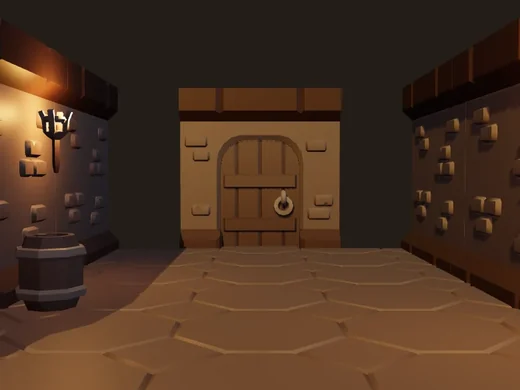
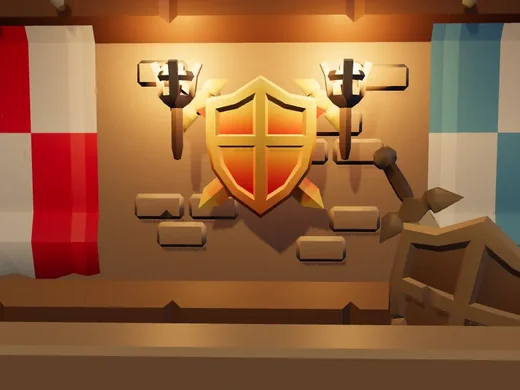
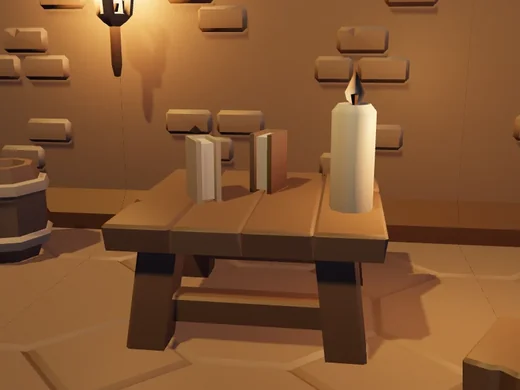
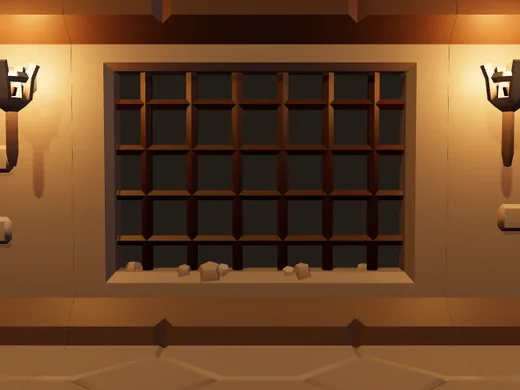
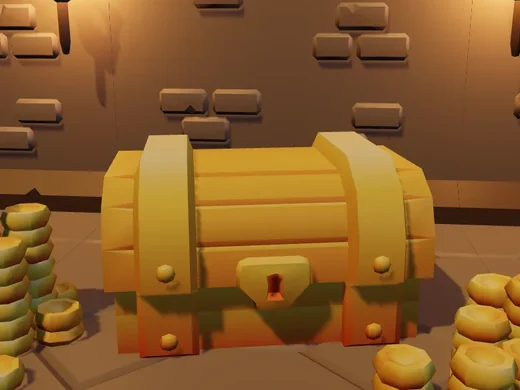
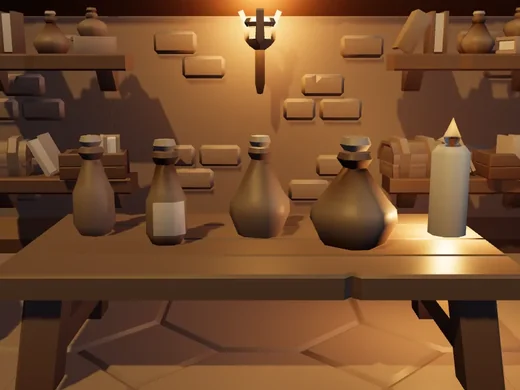
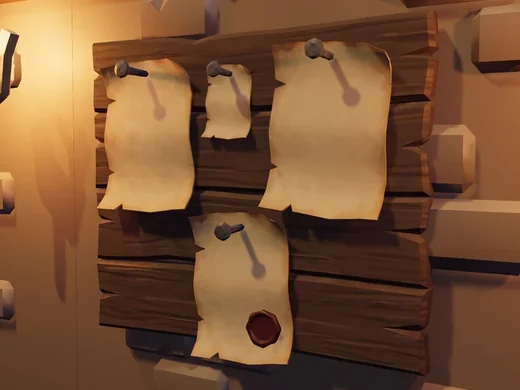
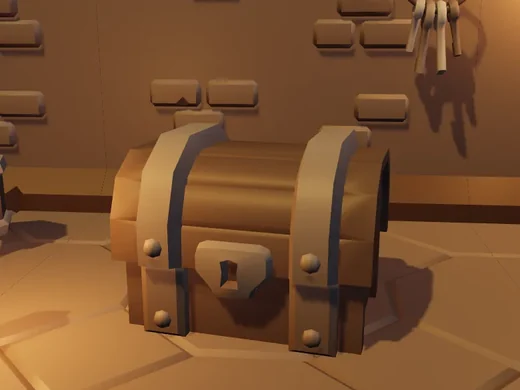
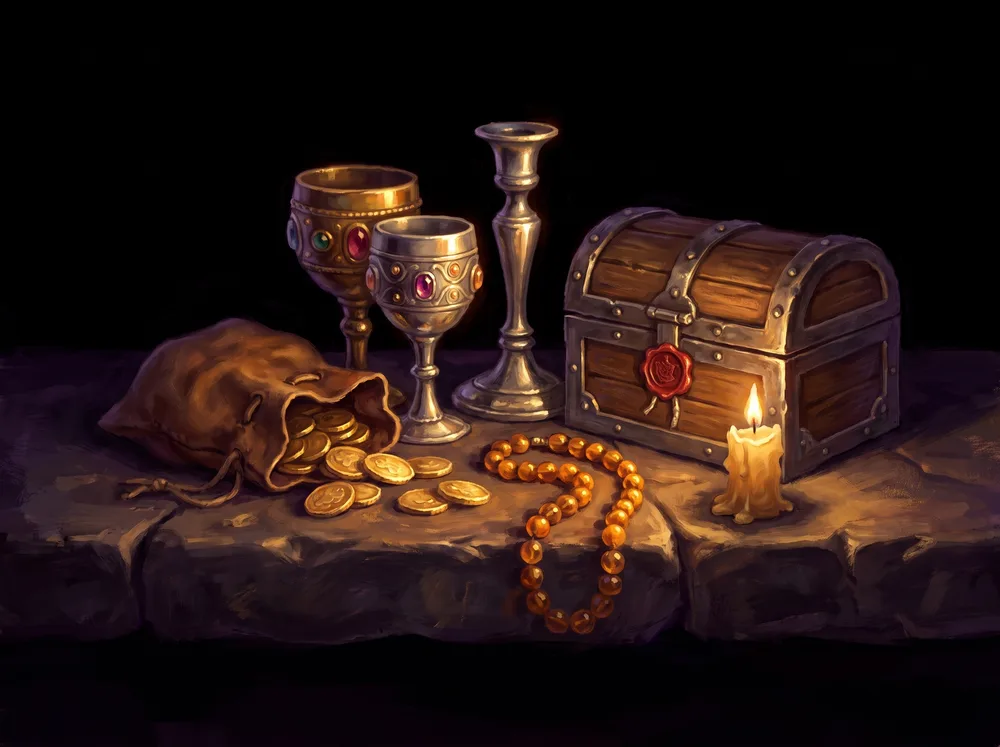
Everything you drag back up is priced and sold. A jewelled sword is worth more Wax than a rusty one and swings exactly the same, which is the whole reason a new player with a bad weapon can still kill a veteran with a good one.
Wax buys stash space, replacement kit, deeper Contract entries and a wider insured slot. Capacity and access, never power.
The soft currency. Comes out of the vendor when you sell what you survived with.
Premium, and cosmetics only. It converts to Wax at a fixed rate and buys nothing that swings.
| Item | Rarity | Weight | Sells for | Wax per kg |
|---|---|---|---|---|
| Rusty Sword | Common | 1.2 kg | 8 | 7 |
| Silver Candlestick | Common | 0.8 kg | 10 | 13 |
| Tarnished Chalice | Common | 1.0 kg | 9 | 9 |
| Bone Totem | Common | 0.6 kg | 6 | 10 |
| Warden’s Key | Rare | 0.4 kg | 130 | 325 |
| Coin Hoard | Rare | 2.2 kg | 150 | 68 |
| Gilded Reliquary | Rare | 3.5 kg | 150 | 43 |
You can carry 25 kg. A Gilded Reliquary is worth 150 Wax and eats
three and a half of them; a Warden’s Key is worth almost as much and eats
four hundred grams. That is the whole greed mechanic in two rows.
Weight is not just space. A full bag moves you at 70% speed, makes every
dodge cost 40% more stamina, and past fifteen kilos you are audibly
overloaded. A plate knight carrying everything moves at 56% of walking pace.
None of it is power. Contracts and consumables are Wax-only with no Ember path, the exchange runs one way and is capped, and every energy bundle is priced above what a run pays out, so buying energy buys play time and can never print currency. The premium shop is cosmetics.
Ten of them, answered straight. If something here still isn’t clear, that’s a fault in the design and we’d rather know about it.
You lose everything you were carrying. Whatever you insured while you were down there comes back to you; whatever you had already banked in your stash was never at risk in the first place.
You buy insurance capacity at the Sconce, permanently. Which item that capacity protects is decided live, mid-run, at the moment you are holding something you can’t face losing.
No, and the economy is built so it can’t become one. Ember is bought with real money and spends on cosmetics, or converts to Wax at a fixed rate. We will not sell weapons, stats or insurance advantage.
No. Loot is priced, never a stat. A jewelled sword is worth more Wax than a rusty one and swings identically.
Character level and talents are a real power axis, but the total spread is deliberately capped, so positioning and reading a fight still matter more than the gap.
Yes: solo, duo and trio queues. Be warned that every route to every exit crosses the Bone Warden’s room, and it isn’t solo-able for most loadouts. Crossing it is the gate; killing it isn’t. Its chest just stays shut while it lives.
Because the dungeon is meant to be the map. Every read on another player comes from the world: noise, chests left open, how heavy someone sounds, whether they lit a lantern. A minimap would answer for free the question the whole game is built to ask.
Fifteen minutes per floor, and the clock starts again when you descend, so a full sitting lands closer to twenty.
From minute six the healing you can receive starts falling, down to 40% by the deadline, so the back half is decided by not being hit rather than by out-healing it. Anyone still on the floor when the clock runs out finishes the run as dead.
Nothing. It runs in the browser: no client, no launcher, no store account. Desktop and mobile both.
Wax is earned: it’s what the vendor pays for loot you got out with, and it buys stash space, kit, Contracts and insurance capacity. Ember is bought, and it buys cosmetics.
The Arena. One hand-built room called the Pit, six combatants a round, everyone visible from the first second, and nothing you own at stake. Experience only. No loot to win and no gear to lose.
Fifteen minutes a floor. One insured slot. Everything else you have to carry past whoever heard you.